Normal Delivery
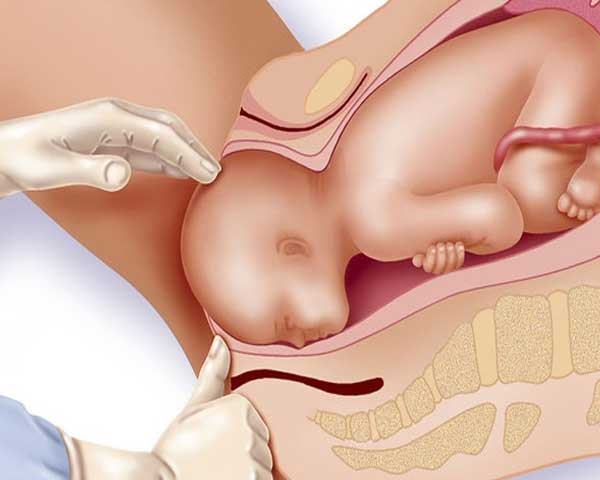
Normal Delivery: A Natural Journey to Motherhood
Normal delivery, also known as vaginal delivery, is the most common and preferred way to bring a baby into the world. It's a natural process marked by rhythmic contractions, cervical dilation, and ultimately, the joyous arrival of your newborn.
Stages of a Normal Delivery
Normal delivery typically unfolds in three stages:
- Labor: This stage starts with mild, irregular contractions that gradually become stronger and more frequent. As labor progresses, the cervix dilates (opens) from 0 to 10 centimeters, allowing the baby to pass through. This stage can last anywhere from 6 to 12 hours for first-time mothers and significantly shorter for subsequent deliveries.
- Delivery: Once the cervix is fully dilated, it's time for pushing! With each contraction, the mother bears down, using her abdominal muscles to propel the baby down the birth canal. This stage can be intense but exhilarating, culminating in the birth of the baby's head, followed by the rest of the body.
- Placental Delivery: After the baby is born, the placenta, which has nourished the baby throughout pregnancy, detaches from the uterine wall and is delivered. This final stage usually takes only a few minutes.
Benefits of Normal Delivery
Normal delivery offers numerous benefits for both the mother and baby:
For the mother
- Faster recovery: Mothers who deliver vaginally tend to recover faster and experience fewer complications than those who have cesarean sections.
- Reduced risk of infection: C-sections involve abdominal surgery, which carries a higher risk of infection.
- Improved bonding: Skin-to-skin contact with the baby immediately after birth can promote bonding and breastfeeding.
- Lower emotional stress: Many mothers find normal delivery to be a more empowering and natural experience, leading to less emotional stress.
For the baby
- Better immune system: Babies born vaginally are exposed to beneficial bacteria in the birth canal, which can help strengthen their immune systems.
- Easier breathing: The pressure exerted during vaginal delivery helps clear the baby's lungs of fluid, making it easier for them to breathe.
- Improved breastfeeding: Babies born vaginally tend to latch on and breastfeed more easily than those born via C-section.
Pain Management Options
While normal delivery can be intense, there are various pain management options available to make the experience more comfortable:
- Natural methods: Breathing exercises, massage, and warm compresses can help manage pain without medication.
- Medications: Epidural anesthesia is a common option that provides pain relief in the lower body. Other medications like nitrous oxide (laughing gas) can offer temporary relief.
Preparing for a Normal Delivery
The best way to prepare for a normal delivery is to have a healthy pregnancy and stay informed about the process. Here are some tips:
- Prenatal care: Attend all your prenatal appointments and follow your doctor's recommendations.
- Exercise: Regular exercise can improve your stamina and make labor easier.
- Education: Take childbirth education classes to learn about the stages of labor, pain management options, and different birthing positions.
- Build a support system: Surround yourself with supportive people who can encourage you during labor and delivery.
Remember, every birth experience is unique. While normal delivery offers many benefits, it's crucial to discuss your options with your healthcare provider and choose the delivery method that is right for you and your baby.